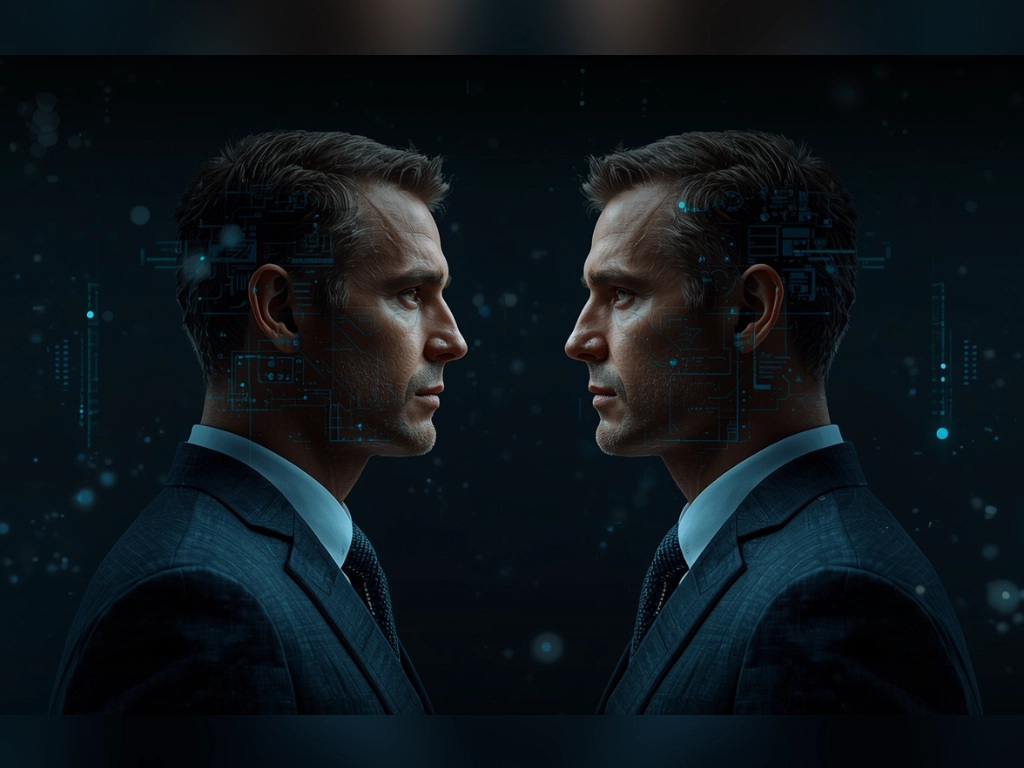
Reduce Your Workload. Build a Digital Twin in 3 Steps.
If you’re tired of repeating yourself…If you’re rewriting the same proposal with minor variations…If every “quick question” turns into a 20-minute explanation… You don’t have
If you’re tired of repeating yourself…If you’re rewriting the same proposal with minor variations…If every “quick question” turns into a 20-minute explanation… You don’t have

So, who are you creating training for? I know it sounds like an easy question: I create for the learners. But if we are to be honest, and clever, we know that most of us create it for our boss and our boss’s boss and all the way up the chain to the CEO, whom I believe is currently floating around on a lovely boat in the Maldives.

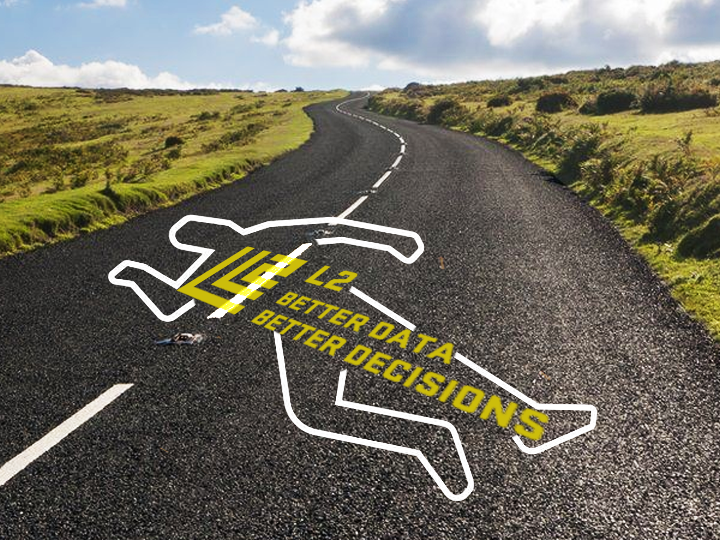
You, a corporate eLearning buyer, wake up in a cold sweat, vision hazy and the taste of last night’s Ambien in your mouth. As you wake, you realize what you have been trying to forget: Your expensive eLearning development is going south. How could this have happened?
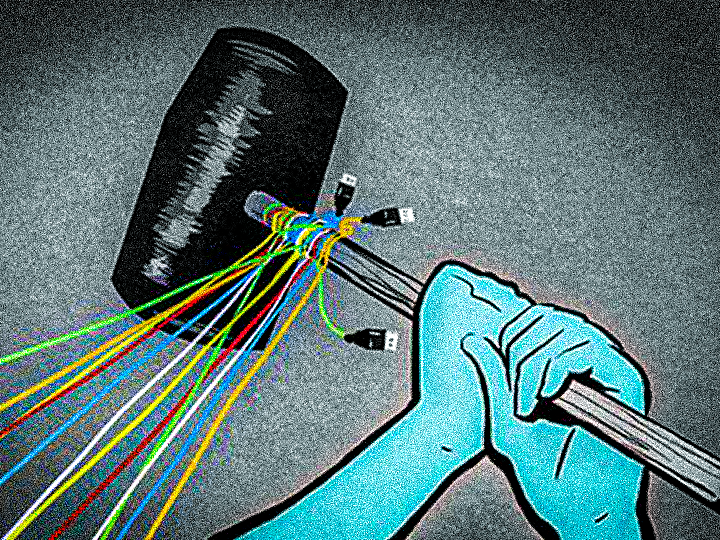
One day, about 20 years ago, my head exploded. I had the idea that people might want to purposely sabotage things they did not fully understand or accept. Like technology. Having completed a new implementation update and thinking all was going well, I realized one person, like the Ted Cruz of my organization, was holding up the whole thing.

I don’t know if you’ve noticed lately, but there are a whole lot of apps, tools and summat being developed in the learning space. So, what’s wrong with that, Ms. Buzzkill? I guess just the fact that most of them may have very little to do with actual learning. Bitter, party of one Instructional Architect, I know.

It’s just me, dancing the mambo with Maks, Val, Karina and Sharna. Oh, and 2,000 or so of my fellow Seattleites.

Having been in corporate and higher education for most of my life, one thing is clear: The systems that have been created for learning – really from cradle to grave – have serious shortcomings.

This is why your employees hate training: In 1970, author Alvin Toffler suggested that too much information can affect understanding and decision making. In 1970! Before computers, iPhones, tablets, the Internet, apps and the freaking cloud.
Learners experience and connect with the world in as many ways as there are individual people. How can the robust complexity of these thoughts, intentions, and actions be collected and evaluated to determine performance? Get ready for the acronyms.